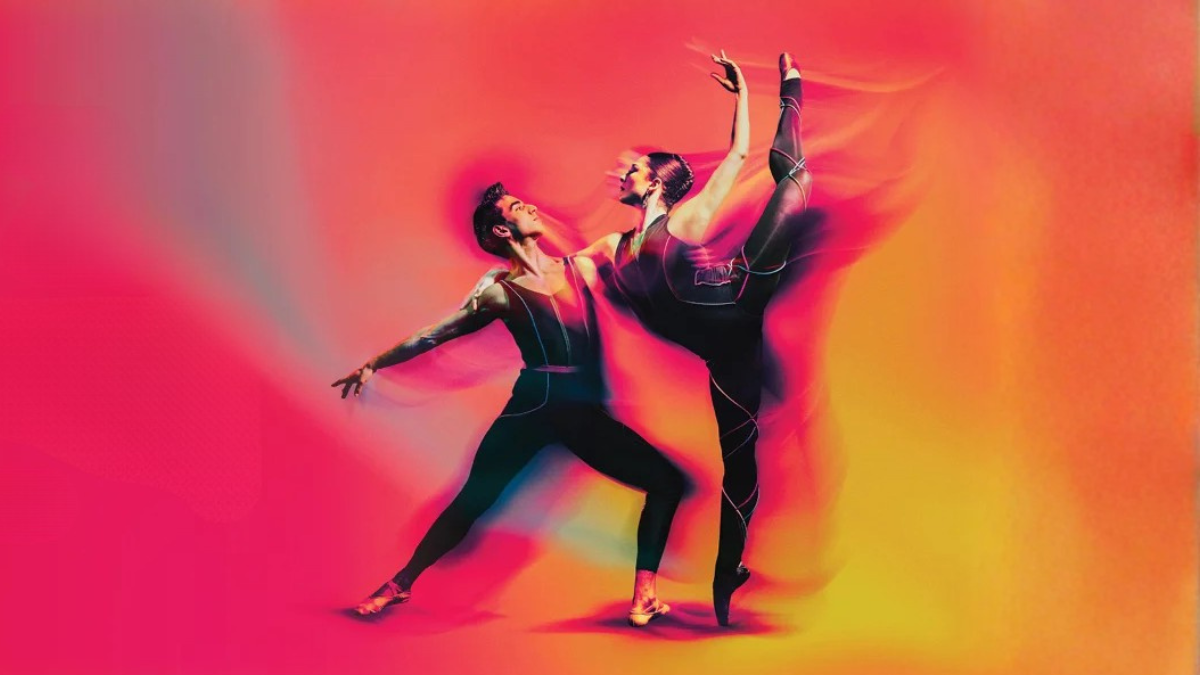

When actor Timothée Chalamet recently suggested that no one cares about ballet anymore, the comment sparked a wave of reaction across the dance world. Yet at this year’s Academy Awards, the celebrated ballerina Misty Copeland stepped onto the stage. The comment—and the uproar it sparked—was punctuated by a performance.
For those of us who work in ballet every day, the moment felt familiar. Ballet is often described as fragile or fading, yet it continues to appear everywhere in modern culture. Ballet should not have to prove its relevance. It is a measurable cultural fact: ballet is everywhere—even in industries that rarely acknowledge it.
When I mentioned the comment at home, my seventeen-year-old son physically shuddered. “Mom,” he said, “that could hurt your business. If people think ballet doesn’t matter, advertisers might start believing it too.” He meant it literally.
As the publisher of the En Face Ballet Collection, I work with ballet companies across the United States and reach hundreds of thousands of audience members each season through performance magazines and digital platforms. From that vantage point, I watch ballet audiences form in real time—families attending together, children experiencing their first performance and audiences returning year after year.
From where I sit, the perception that ballet is fading may be one of the most misleading narratives in American culture.
After the pandemic, I made a deliberate decision to grow my company by focusing on ballet across the country. For years I have been evangelizing ballet’s cultural and commercial relevance to advertisers and corporate partners.
The argument has always seemed obvious to me. Ballet builds its audience from the beginning. Children begin dancing before they can read, and families attend performances together across generations. In business terms, ballet cultivates lifelong audiences. Few industries manage to build customer loyalty that early—or sustain it across generations.
But ballet’s influence goes even further. It produces one of the most powerful visual languages in modern culture. Consider fashion. Ballet flats from houses like Chanel have been fashion staples for decades. The “balletcore” trend dominating social media draws directly from dance training attire, and even the ubiquitous black Lycra pants that became everyday fashion began in rehearsal studios.
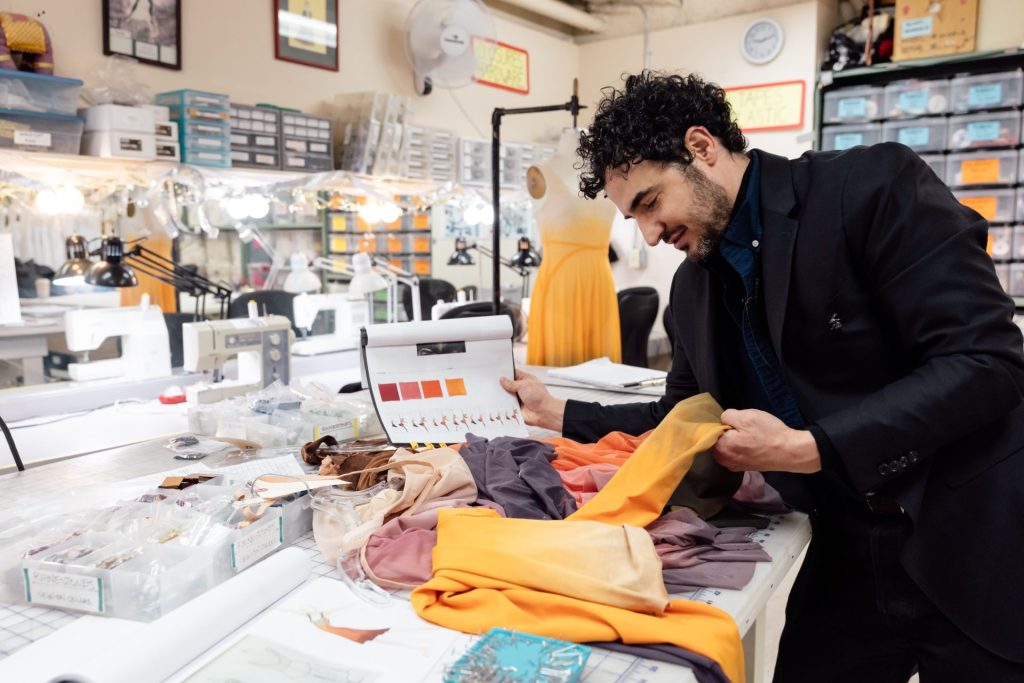
Designers have long brought couture directly onto the ballet stage. Karl Lagerfeld designed costumes for New York City Ballet. Christian Lacroix created productions for Paris Opera Ballet. Designer Zac Posen has designed ballet costumes for companies including San Francisco Ballet, New York City Ballet, and Paul Taylor Dance Company.
Today Posen serves as Chief Creative Officer of Old Navy and Executive Vice President of Gap Inc., helping shape the visual language of one of the largest retail brands in the United States. In 2025, Old Navy partnered with designer Anna Sui on a collaborative collection drawing on romantic and bohemian silhouettes long associated with ballet.
Ballet’s influence now moves directly into retail culture. Anthropologie recently launched a Nutcracker-inspired collection in collaboration with New York City Ballet—a reminder that ballet’s visual language continues to shape both fashion and commerce.
Luxury brands understand this instinctively. Jewelry house Van Cleef & Arpels famously introduced its ballerina brooches in the 1940s inspired by dancers of the Paris Opera. Hermès has incorporated choreography and movement into campaigns celebrating the precision of craftsmanship. And the watchmaker Rolex continues to support choreographers through its Rolex Mentor and Protégé Arts Initiative.
Even the automotive industry has drawn on ballet’s language of movement. In its global “Amazing in Motion” campaign, Lexus used dancers and choreographed installations to demonstrate the balance and precision of its engineering. These examples reveal something important: when brands engage meaningfully with the arts, the relationship benefits both culture and commerce.
Ballet’s influence even extends into athletics. Professional athletes—from football players to Olympic competitors—often train with ballet techniques to develop balance, strength, and footwork. In other words, ballet’s influence reaches far beyond the theater.
From where I sit—working with ballet audiences, companies, and advertisers across the country—the opposite appears true. Ballet has not disappeared from culture. It has been absorbed into it.
Misty Tompoles
Yet the institutions that produce ballet often struggle financially. A pattern emerges. Corporations borrow constantly from the cultural capital of ballet—its beauty, discipline, and symbolism—yet the institutions that create it rarely share in the economic return.
In many ways ballet illustrates a broader cultural paradox: the arts generate enormous creative capital for society, yet the institutions that produce it are often the least financially secure.
And still, ballet persists. Every winter, ballet delivers what may be the most reliable box-office phenomenon in American theater: The Nutcracker. For many ballet companies, that single production generates nearly half of their annual ticket revenue. Few performing arts traditions maintain that level of cultural presence year after year.
Yet the narrative persists that ballet is fading. From where I sit—working with ballet audiences, companies, and advertisers across the country—the opposite appears true. Ballet has not disappeared from culture. It has been absorbed into it.
At this year’s Academy Awards, Misty Copeland stepped onto the stage to perform—at the very ceremony where Chalamet himself was nominated. For many in the dance world, her presence felt like an exclamation point. From my vantage point as a publisher working with ballet companies across the country, one thing remains clear. Ballet may not always dominate the conversation. But it continues to shape the culture.
Ballet’s Impact
New York City Ballet Principal Dancer Tiler Peck
“If this is what people find ‘boring,’ then why do my nights look like this?”
Leslie Odom, Jr.
“Nothing Inspires Me Like Dance”
The Royal Ballet and Opera
“We Care”
New York City Ballet Principal Dancer Megan Fairchild
“Ballet and Opera Aren’t Niche Hobbies”
Oregon Ballet Theatre
“We think it’s cool to care, and Portland seems to agree”
Hartford Courant
“Take that Chalamet. From Connecticut Supporters of Ballet”
By Misty Tompoles, Publisher of En Face Ballet Collection