In every dance work, small details carry meaning beyond the movement itself. A sound, a costume element, or a simple object can reveal something about the world the choreographer builds onstage. Here are a few elements you will see or hear during Ballet Hispánico New York’s 2026 Spring Season performances that offer a deeper glimpse into the works on the program.


From Trança: The Rabeca
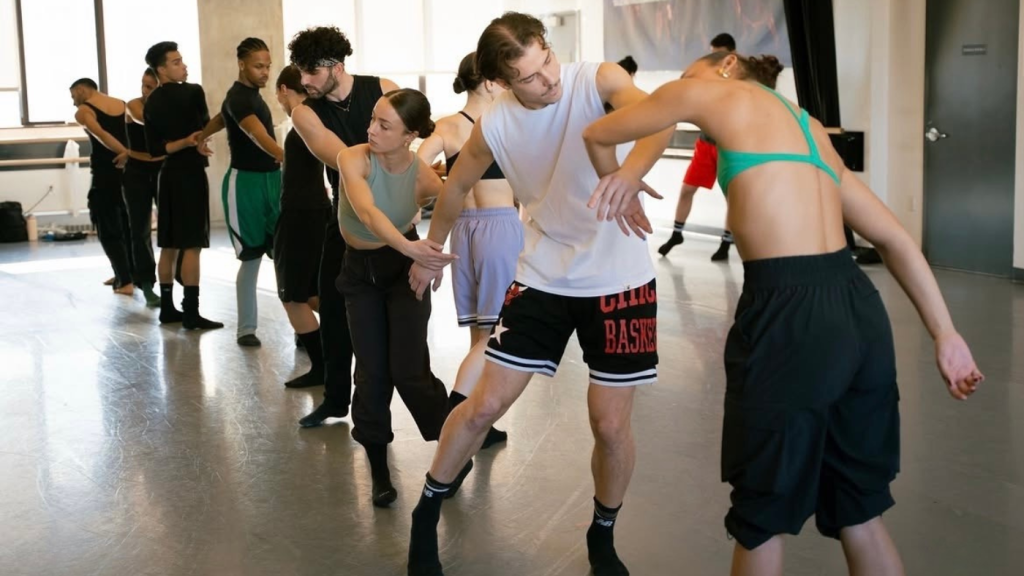
The rabeca, a Brazilian folk fiddle whose origins trace back to medieval Europe, found new life in Brazil’s rural and coastal communities. Over time, it became central to popular traditions such as forró, cavalo-marinho, and bumba-meu-boi, where its raw, resonant tone accompanies communal dances and celebrations. Unlike the classical violin, the rabeca is often handmade and tuned by ear, giving it a textured, earthy sound. In Trança, the instrument evokes the rhythms and cultural traditions that inform Cassi Abranches’s choreography, grounding the work in Brazil’s rich musical heritage.
From Línea Recta: The Bata de Cola
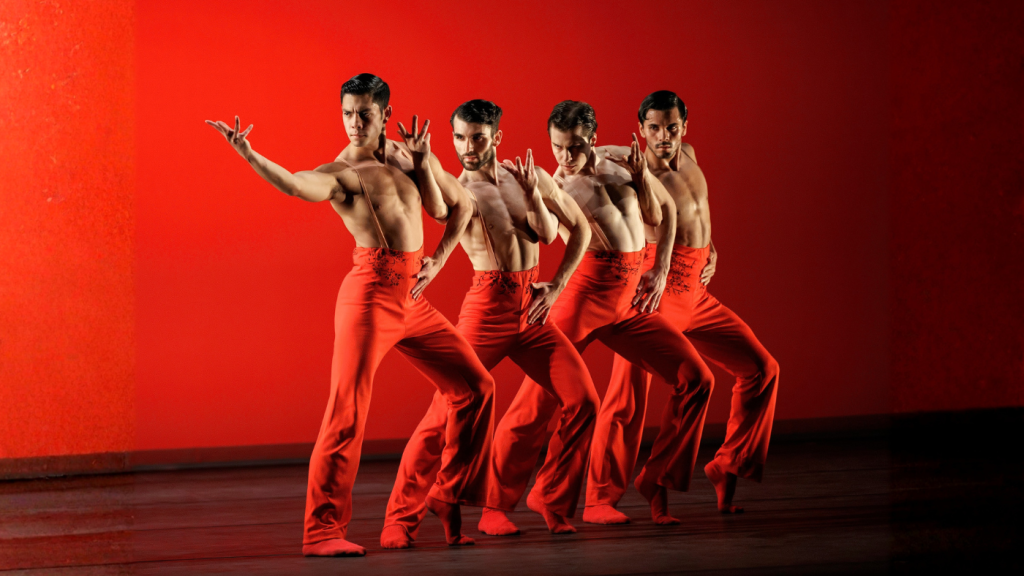
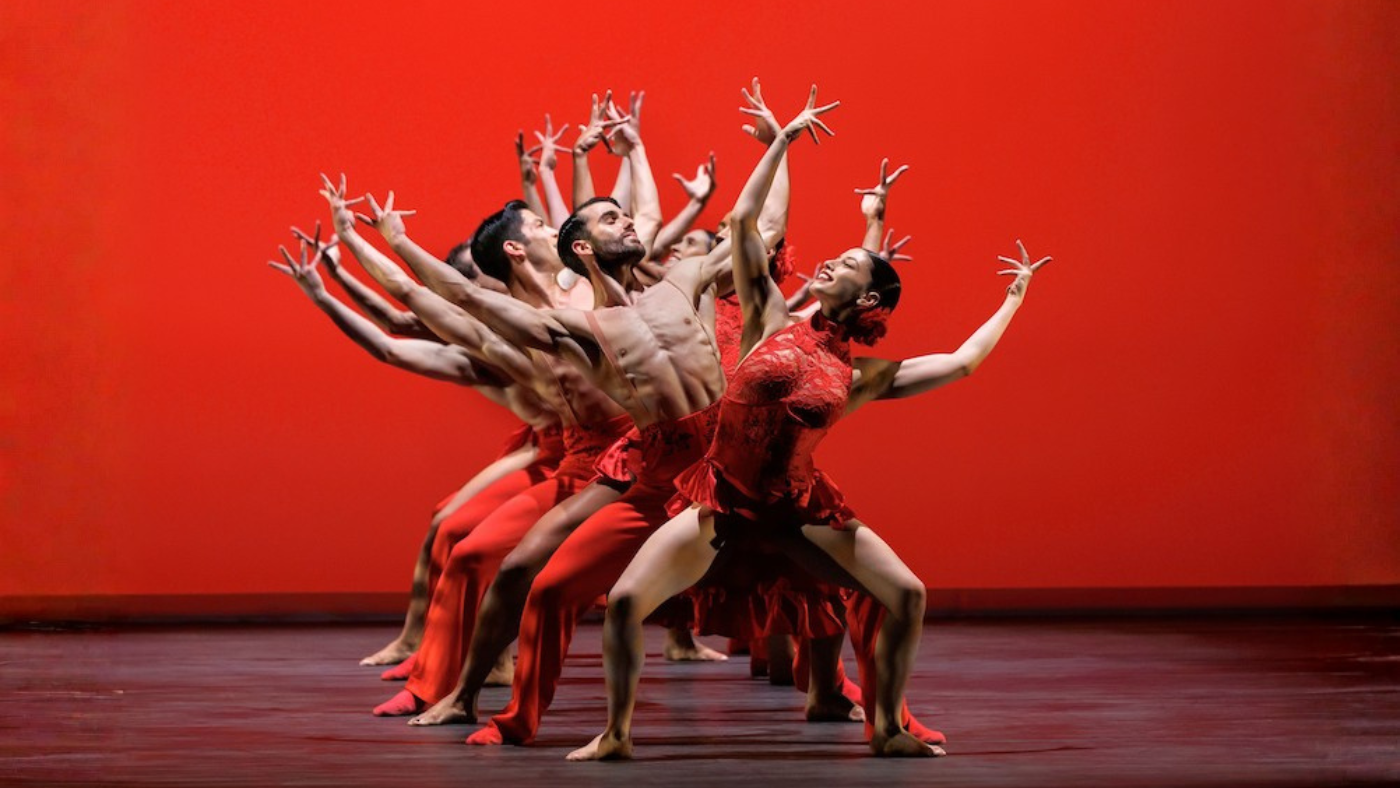
The bata de cola, the long-trailed skirt associated with flamenco, emerged in Spain in the late nineteenth century and remains one of the most striking elements of the art form. Worn by the dancer, the skirt extends far beyond the body, requiring strength, precision, and control to manipulate its sweeping train. As the dancer gathers, flicks, and releases the fabric, the bata de cola becomes an active partner in the choreography. In Línea Recta, this iconic costume element transforms fabric into movement, amplifying the dramatic power and sculptural lines of flamenco.
From Reactor Antígona: The Bags
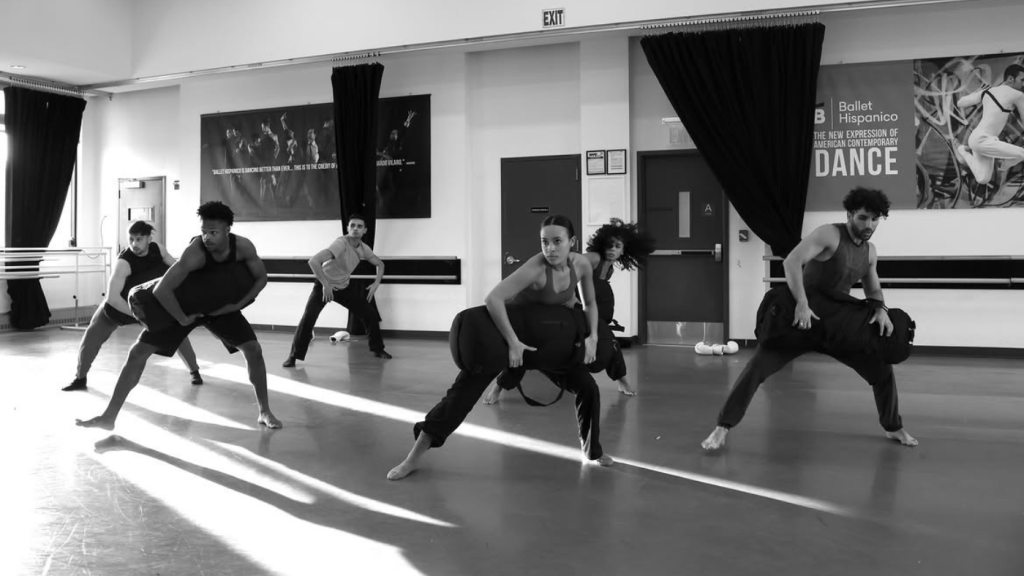
In Reactor Antígona, the bags carried by the performers function as more than simple props. They represent the experience of displacement and migration, evoking the belongings people carry when forced to leave home. Filled with personal items, memories, and traces of identity, these bags represent both physical and emotional weight. As they appear throughout the choreography, they become symbols of resilience and survival, reminding us that what people carry with them often holds the story of where they come from.
From Otra Vez, Otra Vez, Otra Vez: The Music
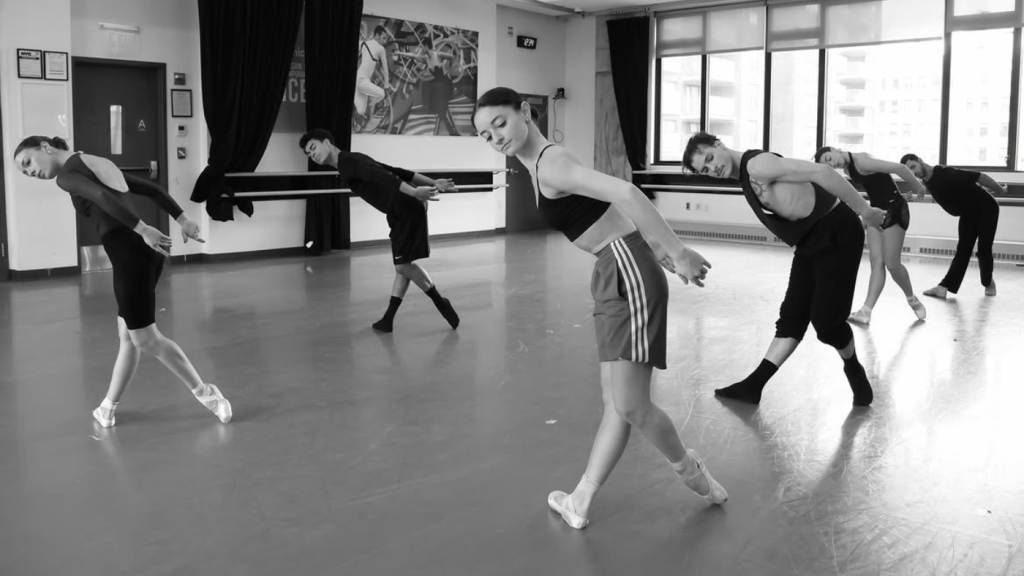
Music plays a central role in shaping the emotional landscape of Otra Vez, Otra Vez, Otra Vez. Choreographer Stephanie Martinez builds her score from the sounds of Spanish and Latin American tradition, taking the audience on a journey of reflection, heartbreak, and healing. From the joy of love in Chavela Vargas’ La Noche de mi Amor (The Night of My Love), and Dos Gardenias (Two Gardenias) performed by Ángel Canales, to starting over in Chavela’s Mi Segundo Amor (My Second Love), a quiet heartbeat pulses beneath the work, keeping the audience connected to the human experience. As Martinez has said, “The music continues to develop, and so does the audience with it,” opening the invitation to grow alongside the dancers on stage.
This article first appeared in Ballet Hispánico’s 2026 New York City Spring Season magazine. It is published here courtesy of Ballet Hispánico New York.
MUJERES: Women in Motion will be performed at New York City Center from April 23–26. Click here to learn more or read the entire magazine >>
Featured Image: Ballet Hispánico in Lopez Ochoa’s Línea Recta. Photography by Erin Baiano, Courtesy of Ballet Hispánico New York.