

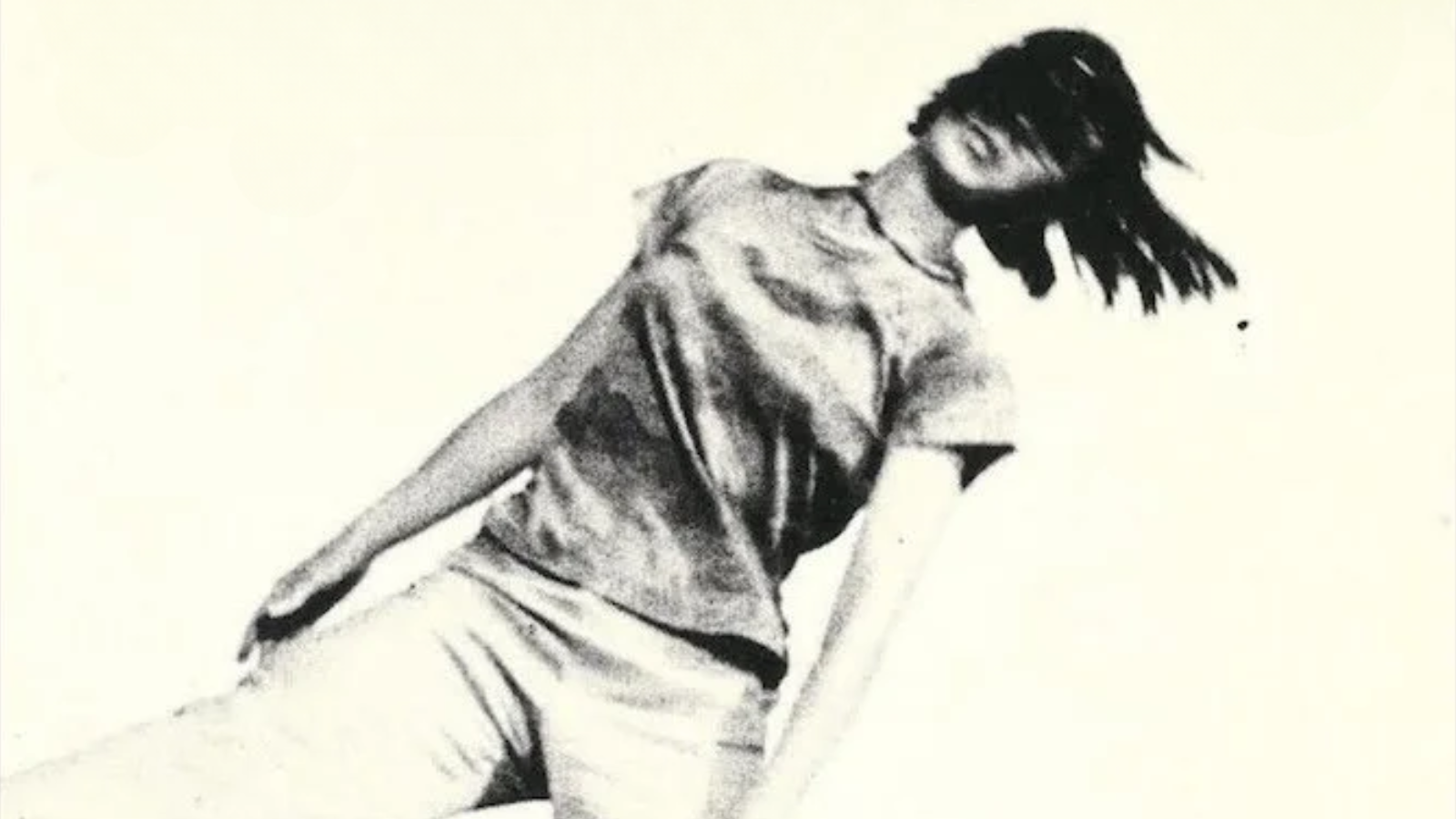
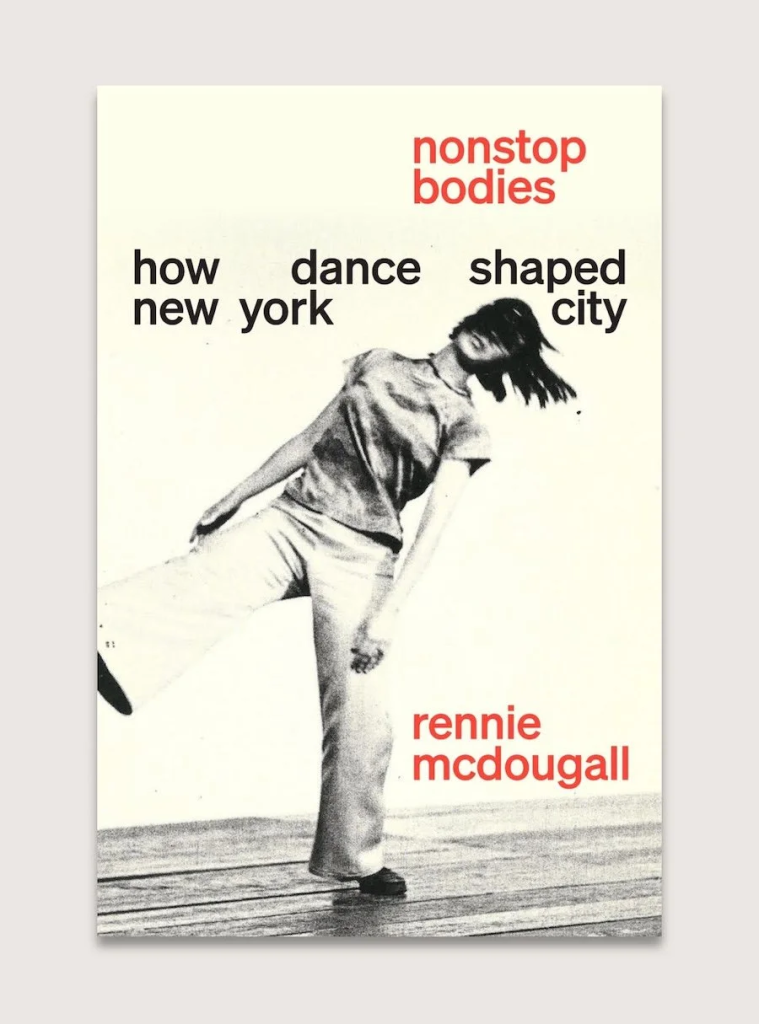
“Dance is an inseparable part of life,” said documentarian Mura Dehn, “and only by knowing that life can one understand the dance.” On every page of his debut book Nonstop Bodies: How Dance Shaped New York City, award-winning journalist Rennie McDougall demonstrates just how true this is.
Tracing dance in twentieth-century New York City—in theaters and clubs, basements and lofts, parks and stoops—McDougall conjures the glorious alchemy of each dance and the vibrant communities where they thrived. The hope of 1930s Harlemites energized the lindy hop, making the dance floor at the Savoy the coolest place to be. Balanchine’s desire to make ballet urgent, immediate, and “for the people” drove the creation of New York City Ballet and many of his now iconic works. 1970s teenagers in the Bronx, unable to get into the disco clubs because of their age, developed breaking, their moves driven by the rise of hip hop, the trash on the streets they could use to make temporary dance floors, and their own youthful enthusiasm.
If you’re not as familiar with other areas of dance as you are with ballet, you are in safe hands with McDougall. This book is a good introduction to many of the twentieth century’s leading dance names—Isadora Duncan, Jerome Robbins, Martha Graham, Alvin Ailey, and Willie Ninja—and the city’s most important dance locations. It grounds you in the world of each while also illustrating how each artist was in conversation with their predecessors and contemporaries, or with whatever dances were happening a few blocks down. Balanchine and Robbins both included jazz and foxtrot steps in their ballets, while Ailey drew inspiration from his stints as a disco DJ.
Nonstop Bodies also engages with many of the larger conversations that are important for the context of these dances—and important today, when the importance of dance to our culture is once more under attack. What is “American” dance, anyway? How do we talk about Black social dancing and all the intersectionalities that are intertwined with its creation and evolution? And like with so many of the arts, who is dance for, who is allowed to dance, and what are we allowed to say with our bodies?
Nonstop Bodies: How Dance Shaped New York City will be released on May 5. Pre-order today from Abrams Books or Barnes & Noble.