




Based on: Original concept of Día de los Muertos
Overview: Ballet Día de los Muertos is a vibrant, poignant production that fuses the grace and precision of ballet with the rich traditions of Día de los Muertos, Mexico’s beloved celebration of life and death. This ballet intertwines themes of remembrance, joy, and transformation, using the colorful symbols of the holiday, such as sugar skulls, marigolds, and ofrendas, to bring the dance to life. The choreography offers a unique blend of classical ballet techniques with folkloric movements, creating an evocative and visually stunning narrative.
Key Themes:
- Life and Death in Harmony: The ballet explores the celebration of life while honoring those who have passed, reflecting the central theme of Día de los Muertos. Through dance, the ballet illustrates the journey of the soul and the deep connections between the living and the dead.
- Cultural Fusion: This production brings together the elegance of ballet with the vibrant, symbolic elements of Mexican culture. Costumes, sets, and choreography are richly infused with the iconography of the holiday, from marigolds to calaveras (sugar skulls).
- Emotional Depth: Each movement conveys a blend of joy, nostalgia, and reverence, as the characters move through scenes that represent both mourning and celebration
Notable Sections:
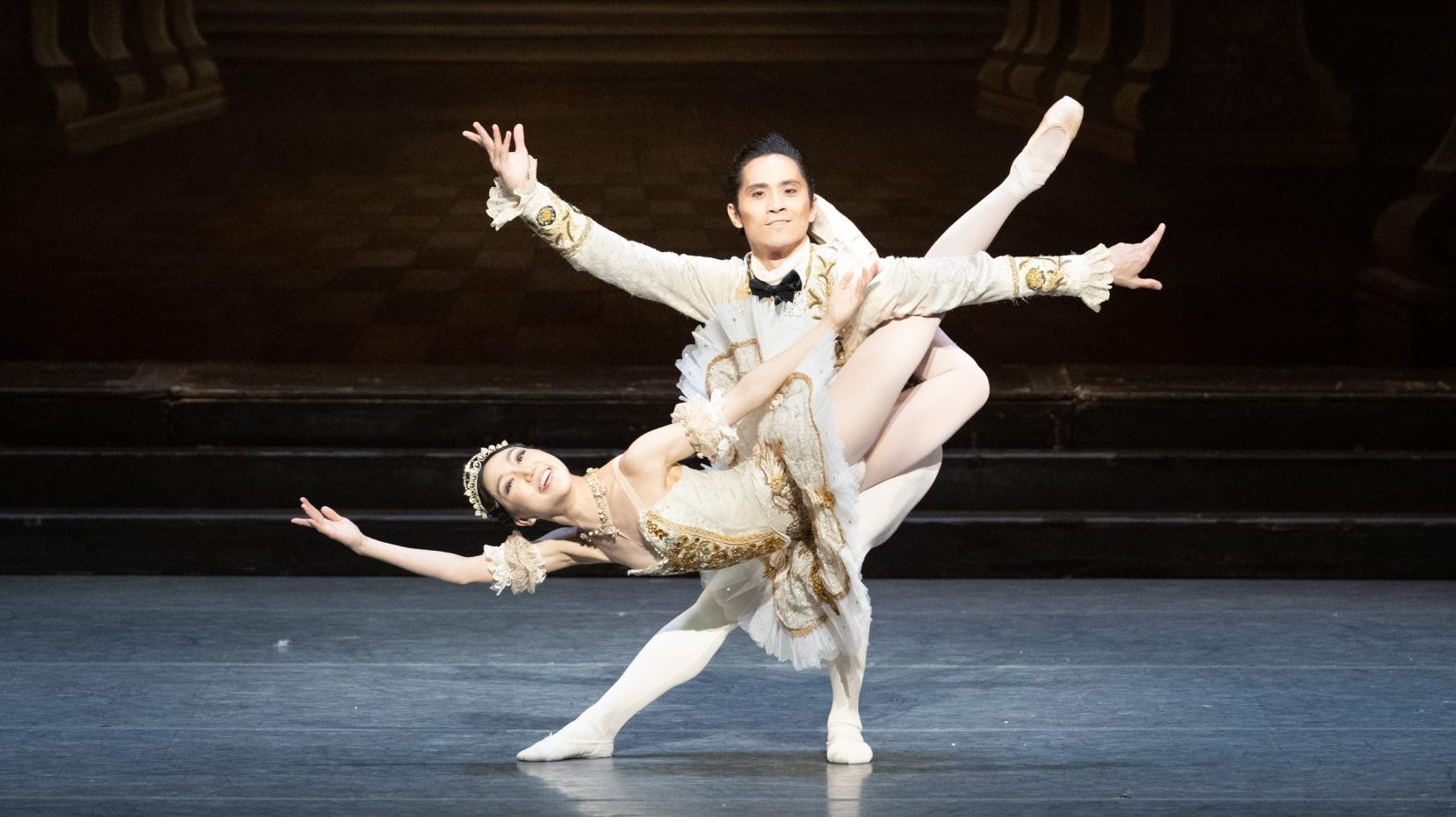
- Pas de Deux of Life and Death (La Vida y La Muerte): This emotionally charged pas de deux represents the delicate balance between life and death. The characters, dressed in contrasting costumes of white and black, move through fluid lifts and partnering sequences, symbolizing the eternal dance between these two forces. The lifts in this section are gentle yet powerful, evoking both the weight and lightness of human existence.
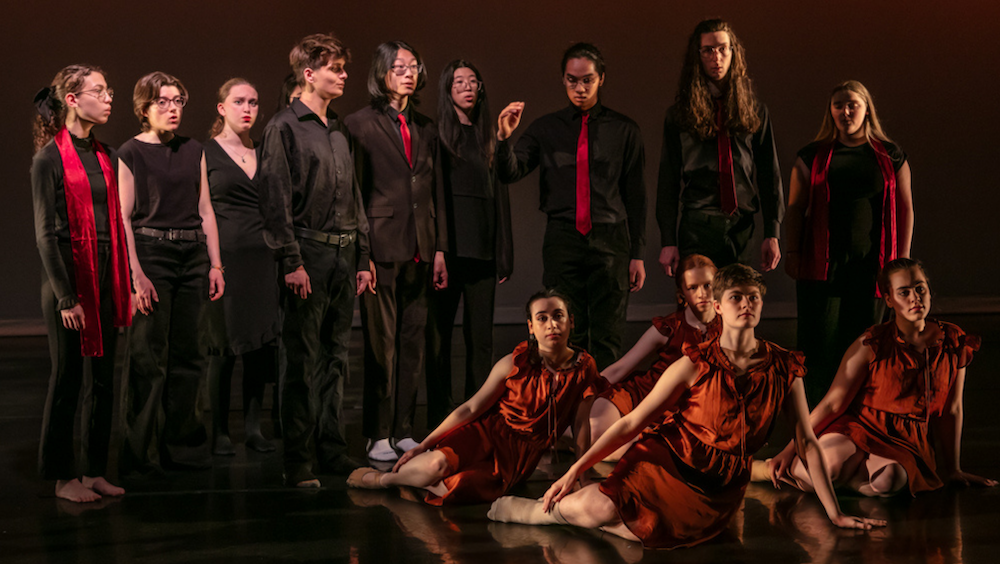
- The Procession of the Souls: A mesmerizing ensemble piece in which the dancers, adorned with sugar skull makeup and marigold crowns, embody the spirits of the departed. They perform precise, synchronized movements that create the illusion of floating through the afterlife. The intricate group lifts and patterns echo the communal nature of remembrance, as each dancer supports and elevates the others.
- The Ofrenda Scene (Altar of Remembrance): This scene features the ballet’s most visually stunning set, a towering altar filled with candles, flowers, and photographs. The choreography in this section includes dramatic lifts where dancers “offer” their partners as symbolic gifts to the altar, representing the offerings made to honor the deceased during Día de los Muertos. The height and grace of these lifts reflect the act of remembrance and the connection between the earthly and the spiritual.
What to Watch For:
- Symbolic Lifts: In the “Pas de Deux of Life and Death,” watch for how the lifts emphasize the interplay between fragility and strength. The male dancer lifts his partner with a gentleness that suggests the fleeting nature of life, while the female dancer’s graceful extensions represent the spirit transcending earthly bounds.
- Choreographic Imagery: Pay attention to how the dancers, particularly in the “Procession of the Souls,” move as one entity, creating intricate visual patterns that mimic the marigold paths believed to guide spirits home. The group lifts and formations are a testament to the power of community in both life and death.
- Costume and Set Interaction: The elaborate costumes, featuring colorful sugar skull designs and flowing fabrics, are integral to the movement of the dancers. In the “Ofrenda Scene,” the dancers’ interactions with the altar and their offerings are carefully choreographed to enhance the emotional weight of the piece.
Experience it for yourself! See Nashville Ballet’s world premiere of Día de los Muertos from October 17–20 featuring choreography by Maria Konrad.