

The Merry Widow is like a glass of champagne—sophisticated and romantic, effervescent and lively, with bubbles that tickle the nose and make you laugh. Based on a 1905 operetta, it is filled with sumptuous choreography, beautiful costumes, and unforgettable characters. This tale of second chances sits alongside Don Quixote (another romantic comedy) as a beloved part of the story ballet canon.
Choreographer: Ronald Hynd
Composers: Franz Lehár, adapted by John Lanchbery and Alan Abbott
Premiere: November 13, 1975 by The Australian Ballet at the Palais Theatre in Melbourne, Australia
Overview:
In the Pontevedrian Embassy in Paris, French Attaché Camille de Rosillon, Secretary Njegus, Ambassador Baron Zeta, and his young wife Valencienne are lamenting their country’s cash flow problems when they learn that the recently widowed Hanna will attend that night’s ball. They conspire to put Count Danilo forward as a suitor; if they marry, they will benefit from Hanna’s money. Left alone, Camille and Valencienne declare their love for each other but are interrupted by Njegus and a drunk Count Danilo.
Hanna and Danilo meet at the ball and realize that they were lovers ten years ago, when Hanna was just a peasant girl and, at his parents’ insistence, Danilo rejected her. Now, both are distrustful of the other’s intentions. Danilo declares his love again but Hanna rejects him, believing he only wants her fortune.
Later, Hanna holds a house party. Valencienne and Camille steal away to the garden pavilion. Njegus discovers them, but when he sees the Baron and Danilo approaching, he panics and locks the pavilion door. As the three men wrestle for the key, Hanna appears, realizes what is happening, and switches places with Valencienne. When the door is finally opened, she emerges with Camille and announces their engagement. In despair, Danilo throws down a handkerchief that Hanna had given him all those years ago. She realizes that Danilo truly loves her.
At Chez Maxime, everyone gathers to drown their sorrows. Danilo challenges Camille to a duel, but Hanna and Valencienne intervene. Hannah is left alone until Danilo returns and sweeps her into a loving embrace.
Key Themes:
- Money & Marriage: How rich or poor a person is matters in The Merry Widow. Couples are kept apart—or forced into marriage with someone they don’t love—based on their wealth and social status. And for widows like Hanna, her newly acquired wealth brings her independence but also a slew of marriage proposals from fortune hunters. If she remarries, all of her money becomes her husband’s.
- Old World versus New World: The simple, idealized childhood in the Ponteverdian countryside of Danilo and Hanna is in sharp contrast with the cosmopolitan world of Paris, with its balls and extravagant villas.
Notable Sections:
- Danilo’s Opening Solo: They say that acting drunk is difficult, but what about dancing difficult choreography at the same time? This is a fun showcase for a male dancer as a first entrance.
- Danilo and Hanna’s Flashback Pas de Deux: Filled with tender moments, this pas de deux gives us a glimpse into their earlier love story, and the origin of the all important red handkerchief.
- Act II Character Dances: At Hanna’s villa, there are a number of folk dances featuring big jumps and heel clicks, reminiscent of the famous Raymonda Act III variation.
- Final Pas de Deux: This romantic pas de deux between Danilo and Hanna is full of swooshing turns and incredible lifts, all while not spilling a drop from their champagne glasses!
What to Watch For:
- Comedy: This ballet gives a company the chance to show off their acting chops and comedic timing. Sit back and enjoy!
- Parallel Love Stories: Keep your eyes as much on Valencienne and Camille as on Hanna and Danilo, as these two love stories play out.
- Hanna’s Most Famous Costume: The moment when Hanna enters Chez Maxime wearing a big, feathery white cloak is one of the most iconic in the ballet.
- Variety of Dance: Reflecting the cosmopolitan world of Paris, the ballet is filled with the sweeping lifts and swirling steps of the waltz, the distinctive rustling skirts and fast feet of the can-can, and character dances.
Notable Performances:
Current American Ballet Theatre Artistic Director Susan Jaffe performed the role of Hanna in the ABT premiere in 1997. Morgot Fonteyn also played Hanna in 1976 when she was a guest dancer at The Australian Ballet.
Upcoming Performances
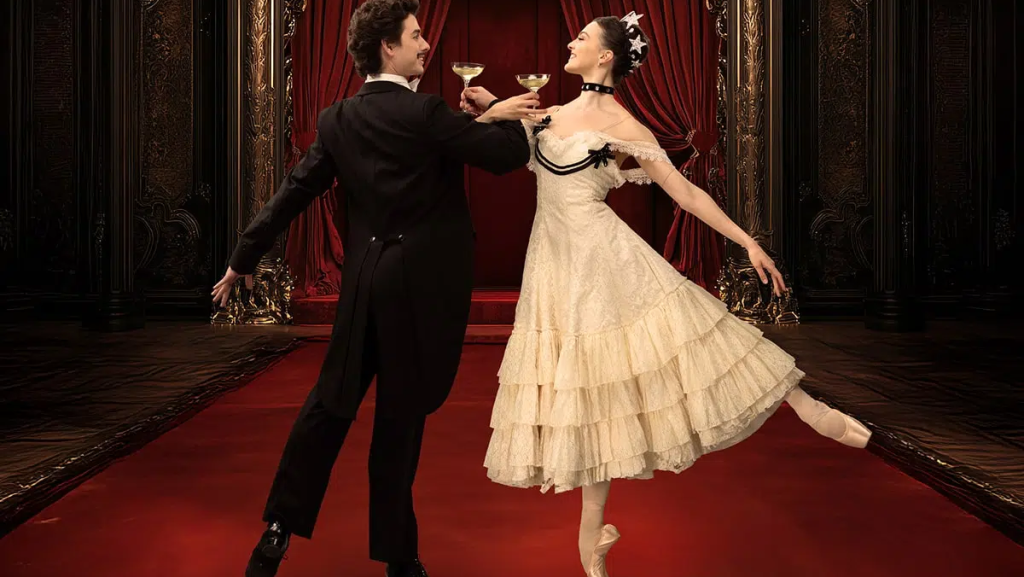
The Merry Widow
Philadelphia Ballet
Mar 5–15