




As part of the rehearsal process for The Sleeping Beauty, Oregon Ballet Theatre welcomed internationally renowned ballerina Sofiane Sylve into its studios to coach the company dancers. In addition to having held principal roles with Dutch National Ballet, New York City Ballet, and San Francisco Ballet, Sylve is artist-in-residence at The National Ballet of Canada. She spoke with OBT about dancing Aurora, the freedom of a classical foundation, and the need for good leadership in the ballet world.
You first danced Aurora at the Dutch National Ballet when you were very young, and you have since returned to The Sleeping Beauty many times. What did you understand about Aurora then that you see differently now?
When I first danced Aurora, I was young, and it felt like a rite of passage, an iconic role that confirmed whether you belonged at the highest level. My focus was on meeting the demands, balances, clarity, stamina, and precision. Getting through the role technically felt like earning my place. Returning to The Sleeping Beauty over time changed that perspective.
Aurora is one of those rare roles that remains challenging no matter how experienced you are. Each return becomes a check-in, not only on technique but also on who you are as a person and an artist. With experience, the role asks more profound questions about musical responsibility, intention, and presence. Now I see Aurora less as something to conquer and more as something to reveal. The technique is still non-negotiable, but it serves maturity, authority, and a sense of ease that comes only from lived experience. Each time you dance her, you bring your life into the role, and that evolution is what keeps the ballet alive.
The Sleeping Beauty is often described as one of the ballerina’s most technically demanding and stylistically pure roles. When you coach today, what non-negotiables do you insist on, and where do dancers have room to bring their own voice?
For me, the non-negotiables are clarity, musicality, classical correctness, and absolute precision. Pathways, positions, and angles must be rooted in a deep understanding of classical form. Without that foundation, there is no true freedom, only approximation. The Sleeping Beauty does not forgive shortcuts, and part of my responsibility as a coach is to protect the integrity of the style.
Equally essential is respect for the ballet’s vision and lineage. If the choreographer or stager is alive, I insist on clarity about their intent, what the choreography is meant to express dramatically, musically, and structurally. My role is not to reinvent the ballet, but to pass down its living legacy as truthfully as possible.
Within those boundaries, individuality comes through refinement rather than invention. A dancer’s voice emerges through musical intelligence, timing, breath, and presence, not by distorting the vocabulary. When technique is secure and style is honored, personality surfaces naturally, and that balance is what makes the role not just correct but compelling.
We’re presenting The Sleeping Beauty in a world that feels very different from the one in which it was created. Why does this ballet still matter today?
Storytelling is at the heart of why people choose to come to the theater. In a world of instant entertainment, the performing arts offer something irreplaceable: a shared, immersive experience that cannot be replicated on a screen. The ballet also reflects the whole life of a company, engaging every generation of dancers and creating continuity, belonging, and shared purpose. For audiences in 2026, I hope it offers both escape and connection—escape into beauty, music, and craft, and a reflection of enduring values such as patience, discipline, generosity, and collective effort. It endures not as nostalgia but as a reminder of what is possible when an art form fully commits to excellence, tradition, and imagination.
The Sleeping Beauty is often described as the ballerina’s Mt. Everest. You’ve spoken before about not settling for average. How do you encourage dancers in the studio to reach that level of rigor without losing their joy or individuality?
My work in the studio is grounded in clarity, trust, and respect. Dancers need to know precisely what is being asked of them and why, because clear information builds confidence rather than insecurity. I am direct but never dismissive, and I treat coaching as a dialogue, not a one-way transmission. Every dancer brings a different body, history, and rhythm, and part of my responsibility is to read what they need in the moment, when to push, when to slow down, and when to allow space for exploration. Authority comes from consistency and fairness, not control.
As artist-in-residence at The National Ballet of Canada, your role combines coaching, mentoring, and serving as a kind of artistic conscience for the company. How do you measure success in a role that is as much about conversation and guidance as it is about performance?
Being invited by Hope Muir to serve as artist-in-residence at The National Ballet has given me a uniquely expansive role. In practice, it means working closely with dancers across the entire company, from the youngest artists to the most established principals, building long-term trust and offering support, challenge, and perspective. I value being someone who listens carefully, understands where dancers are coming from, and helps them grow with clarity and honesty. At the same time, my work extends beyond the studio. What excites me most is the opportunity to contribute to every layer of the company, challenging and strengthening both the artists and the structure that supports them. I am deeply interested in what ballet companies can become for their communities when they are led thoughtfully and run well, and that long view is how I measure success in this role.
Your time as artistic director at Ballet San Antonio asked you to consider the entire ecosystem, from young students to leading company dancers. What did that teach you about building a healthy ballet culture, and what would you bring from that experience into any company you work with now?
What I valued most about my time as artistic director of both the school and the company was the chance to build a complete ecosystem with a clear sense of purpose. Young dancers understood why they were training with discipline; there was a real pathway from the school to the professional stage. The artistic and technical growth of the dancers reflected how we approached daily class and rehearsals, grounded in clarity, high standards, and psychological safety. That work culture shaped not only how they danced, but also how they committed to the process.
I built the school entirely from scratch, establishing the curriculum and syllabus, hiring the faculty and an associate school director, and overseeing every aspect of its development. We grew from 20 students to more than 150, expanded community engagement, and significantly raised the overall quality of the work. In a small organization, I did everything the job required, from artistic leadership to production details, which gave me a complete understanding of how a company functions. What I carry forward most is that experience of building something tangible and sustainable, and the belief that a strong, healthy work culture is what ultimately shows onstage.
In addition to significant classical roles, you’ve danced a wide range of Balanchine, Forsythe, and contemporary work. How has that shaped the way you approach coaching a pure classical ballet like The Sleeping Beauty?
My love for classical ballet was deeply nurtured by my curiosity as a dancer. I wanted to work across the full spectrum, from the incredible classical repertoire to Balanchine, Forsythe, Dawson, and other contemporary choreographers whose work has become part of the canon. That constant exchange shaped how I move, think, and teach. It gave me a broad artistic vocabulary and a deeper understanding of classical ballet.
That range of experience has made me appreciate classical ballet even more. You can only preserve the past and help define the future when you fully understand it. When I coach The Sleeping Beauty, I focus on its roots, because that is how knowledge and artistry are passed down. There is no formula for transmitting artistry in ballet; it comes from lived experience, tradition, and understanding.
Many young dancers look at your career and see a kind of blueprint. If you were speaking to a 17-year-old who dreams of a similar path, what would you tell them that the résumé doesn’t show?
I danced because I had to. I taught because I had to. I coached because I had to. I learned because I had to. Dance was never a career choice for me; it was my only form of expression. I always say I was born a dancer, and I will die a dancer. My path unfolded not because I planned it, but because I could not imagine existing without dance.
I stepped into leadership for the same reason. Without leadership, there is no art, and bad leadership kills everything around it. That sense of responsibility came from necessity, not ambition. What I would tell a 17-year-old is to do whatever they choose, only if it feels like oxygen—something they cannot live without. If you stop doing it, your world no longer makes sense. That depth of commitment, reverence, and need is never written on a résumé, but it is the foundation of everything that truly lasts.
With so much already achieved, what are you most curious about artistically? What questions are you still exploring in the studio?
At this stage of my life, I am most curious about how this generation of dancers is evolving in a world that is moving faster than ever. The pace and pressure of today’s environment shape how dancers learn, train, and relate to their work, and understanding this feels essential to supporting them in meaningful ways.
In the studio, my role now is to be a steady point of reference—someone dancers can trust. When dancers know the person in front of them has real knowledge and experience to pass on, they work with more confidence, take better care of their bodies, and think about longevity. I see myself as an anchor, not from ego, but from gratitude. I was lucky to have remarkable people guiding me, and if I can be that presence for this generation, then I feel I am doing my job.
I am also deeply interested in how we care for dancers as whole human beings. I believe passions outside of dance are nurturing, not distracting. My own interests, including animal welfare and design, have enriched my relationship with the art rather than detracted from it. At this point, it is no longer about achievement. It is about living in alignment. Art is not meant to impress; it is intended to align, and that understanding has come through a great deal of introspection and personal healing.
This article first appeared in Oregon Ballet Theatre’s The Sleeping Beauty magazine. It is published here courtesy of Oregon Ballet Theatre. Click here to learn more or read the entire magazine.
Featured Image: Principal Dancer Carly Wheaton and Oregon Ballet Theatre Dancers working with Sofiane Sylve.
Still from video by Kelsey Hennessy.
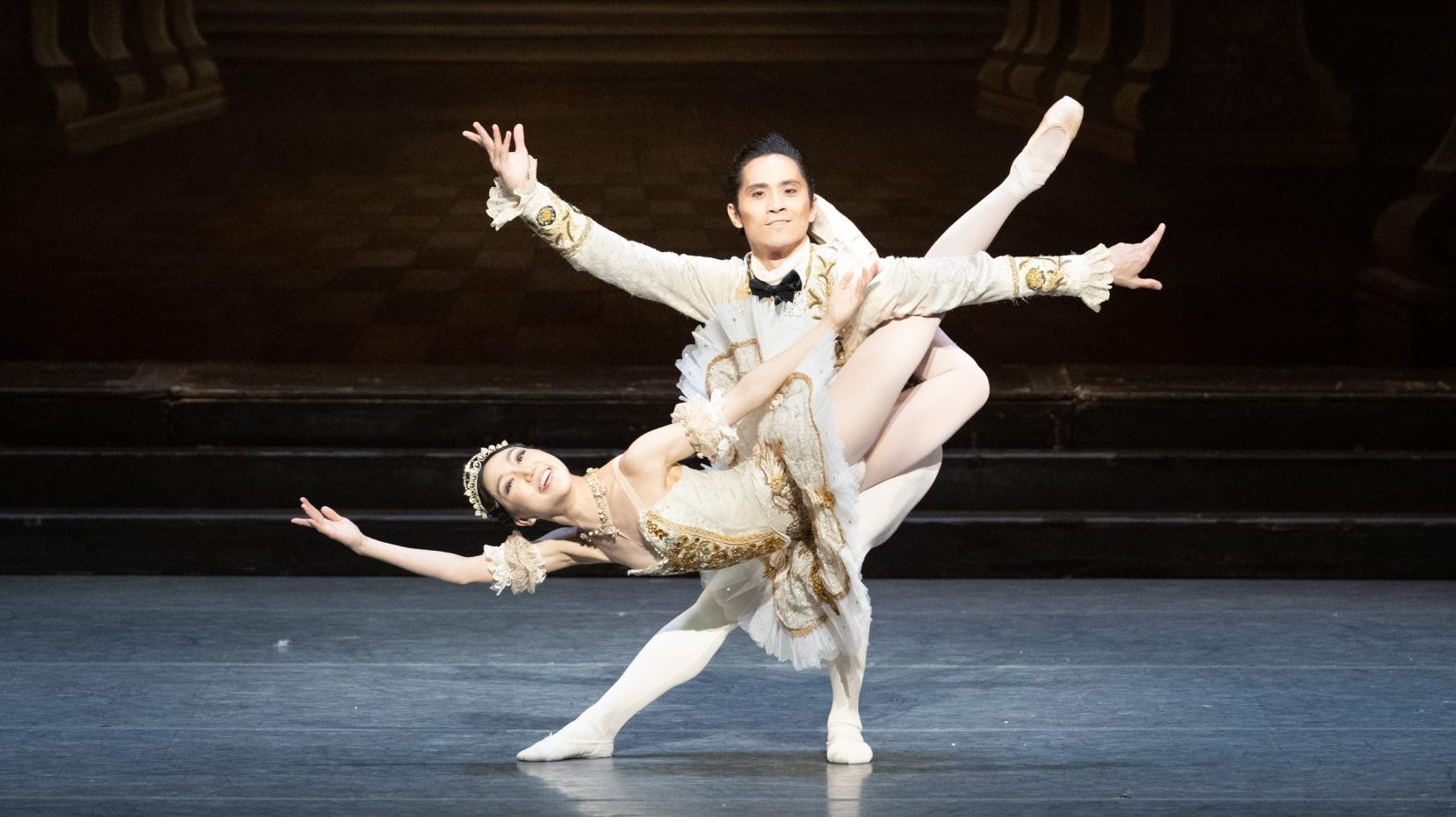
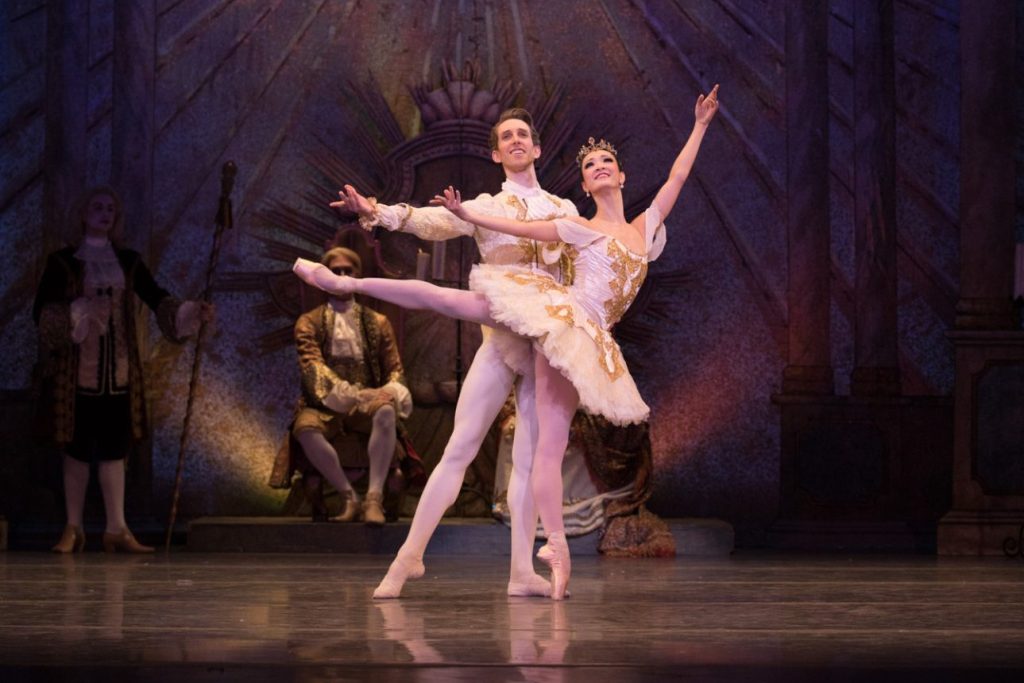
Image 1: Brian Simcoe as Prince Florimund and Xuan Cheng as Princess Aurora in OBT’s 2020 production of Christopher Stowell’s The Sleeping Beauty. Photo by Blaine Truitt Covert.
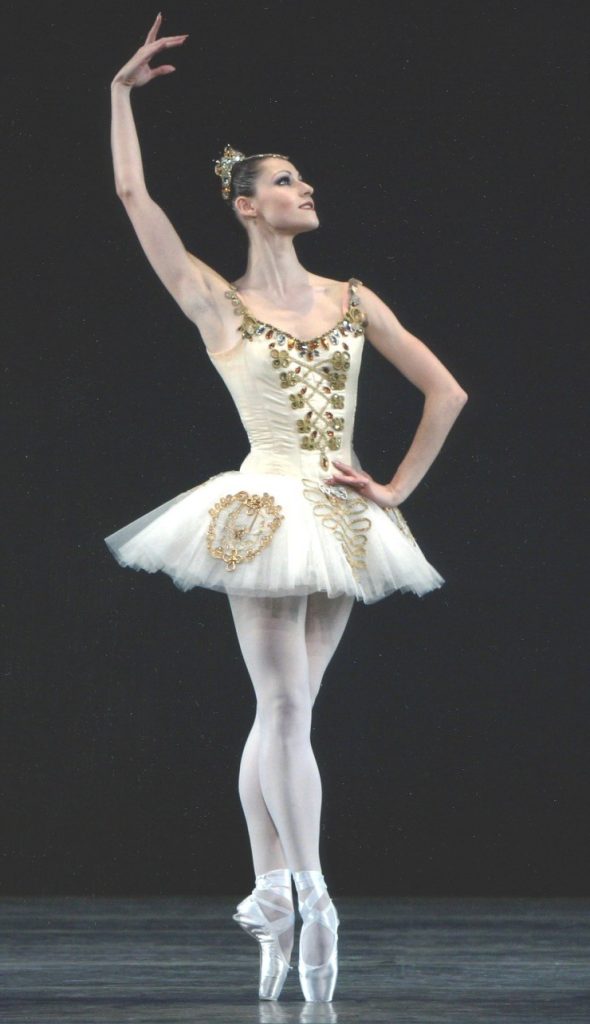
Image 2: Sofiane Sylve in George Balanchine’s Cortège Hongrois. Photo by Paul Kolnik.
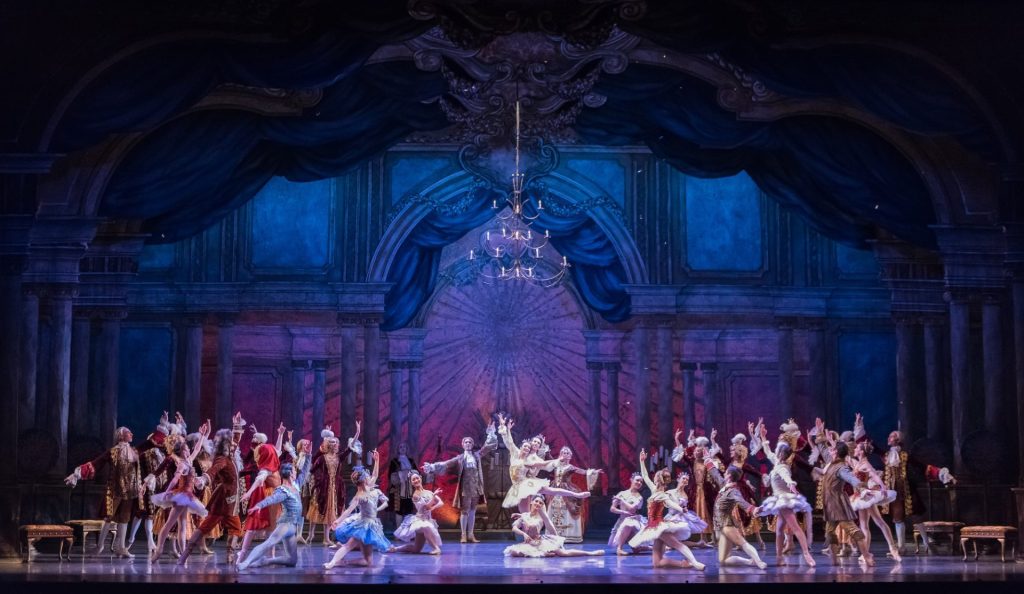
Image 3: Oregon Ballet Theatre Dancers in Christopher Stowell’s The Sleeping Beauty. Photo by Jingzi Zhao.
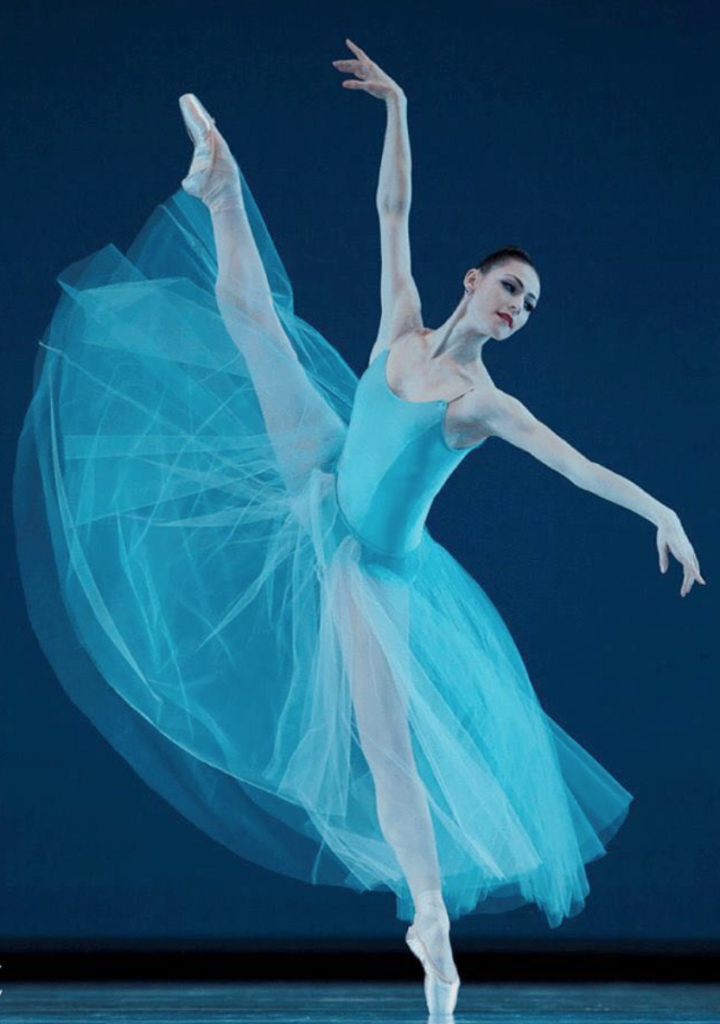
Image 4: Sofiane Sylve in George Balanchine’s Serenade. Photo by Erik Tomasson.