

There have been countless adaptations of The Taming of the Shrew. The most famous and familiar adaptions of the 20th century include Cole Porter’s 1948 Broadway musical Kiss Me Kate and Franco Zeffirelli’s 1967 film starring Elizabeth Taylor and Richard Burton. It is Zeffirell’s film that Mills cites as his primary inspiration.
Commissioned by the John F. Kennedy Center for the Performing Arts as part of its Youth and Family Public Performance Series, The Taming of the Shrew is the fourth Shakespeare adaptation Mills’ has mastered. Following the national premiere, Washington Post dance critic Lisa Traiger referred to Mills as “the bard of ballet” and called Ballet Austin “one of the nation’s best-kept ballet secrets.” The Kennedy Center commissioning The Taming of the Shew created a partnership that would allow Ballet Austin to build original sets and costumes for this production. Stephen has combined commedia dell’arte with his inventive mix of classical ballet to create a ballet fraught with humor and creativity to fascinate children and adults alike.
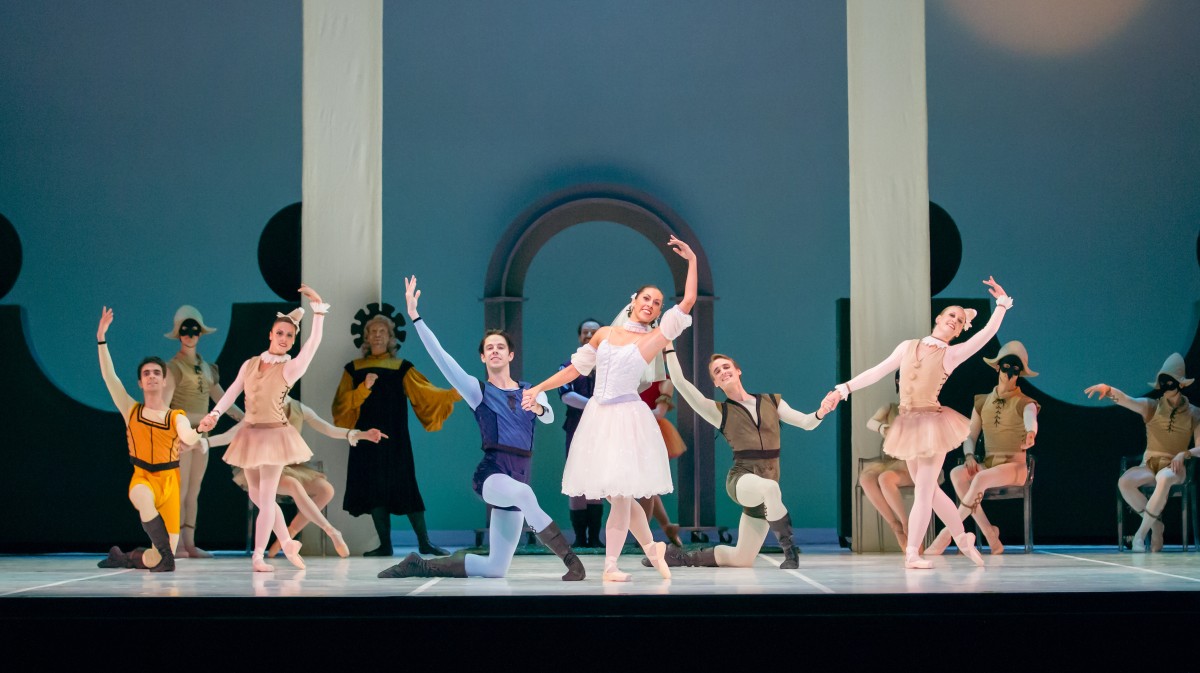
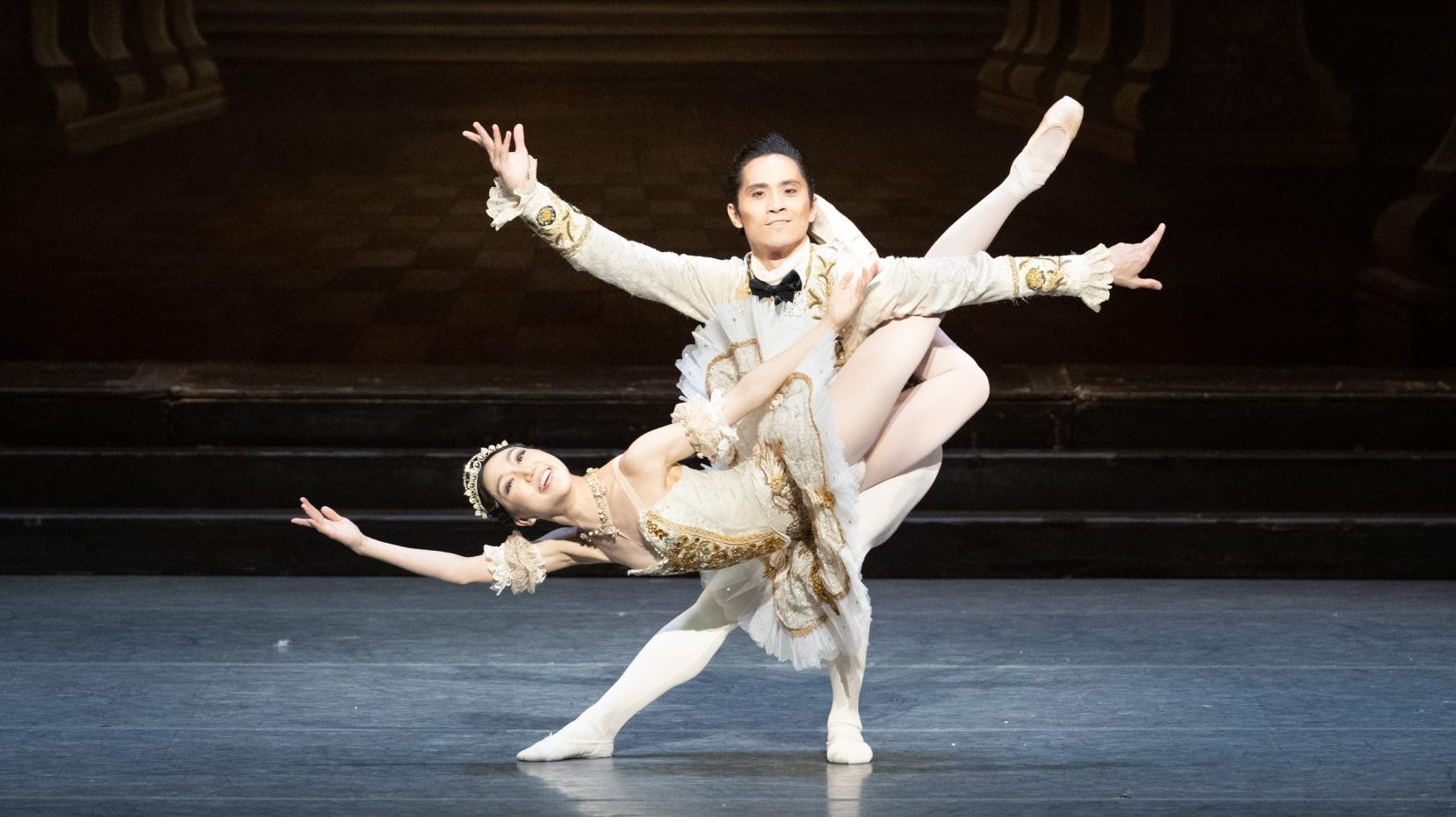
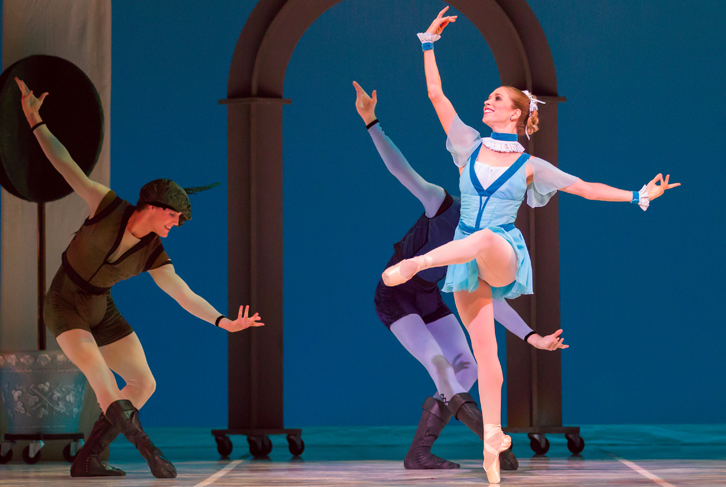
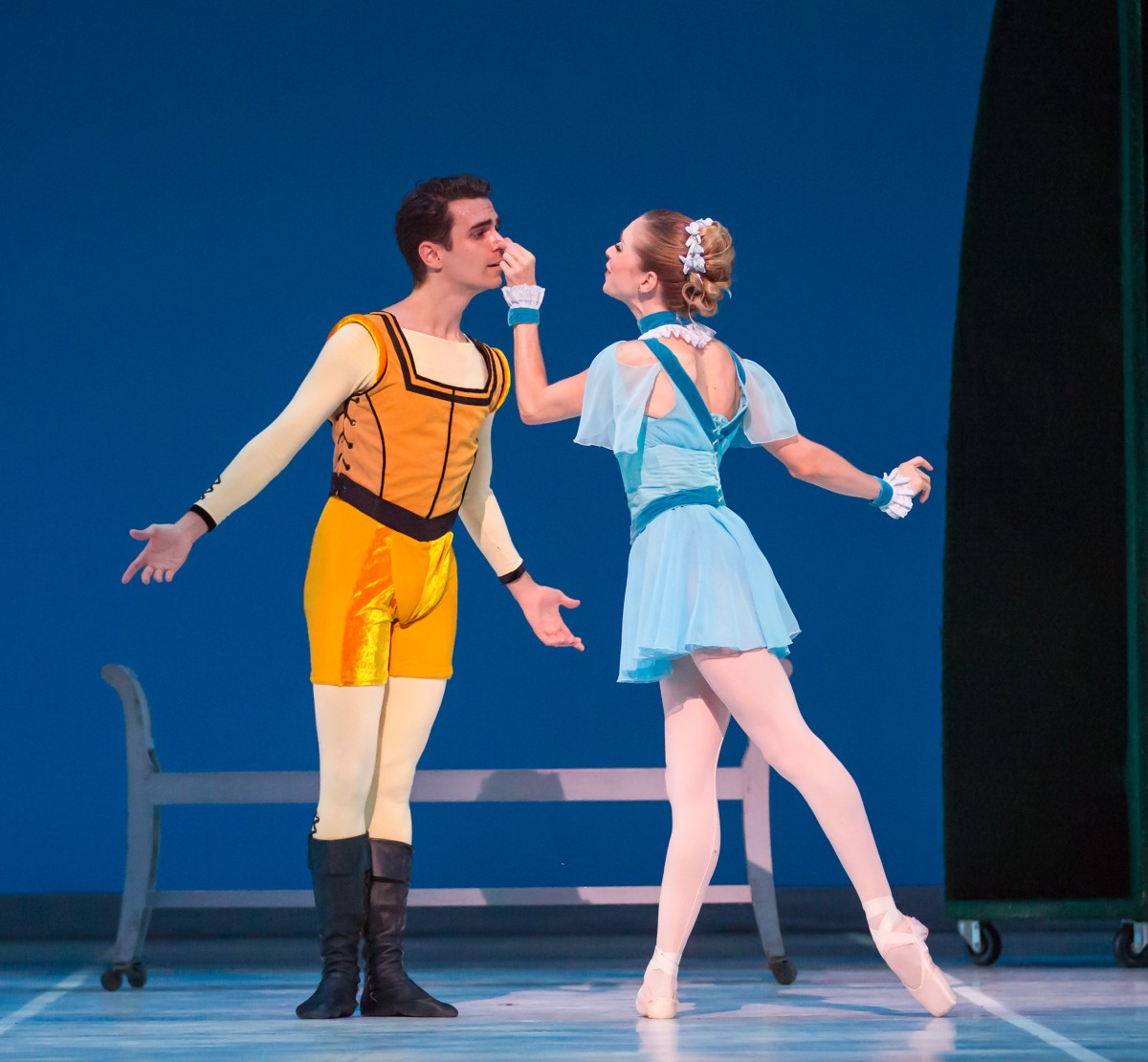
Mills choreographed The Taming of the Shrew using the Italian comedic theater and dance style commedia dell’arte and lazzi (physical humor) to fit with the play’s slapstick humor and lively atmosphere, and set the movements to one of his favorite styles of music, Italian Baroque. Commedia actors moved from one location to another as an on-the-go touring troupe. Much in the tradition of commedia, the corps de ballet in Ballet Austin’s version act as a set crew, bringing on stock props and set pieces.
In a recent interview, we asked Stephen Mills why, in 2022, is it time to revisit this ballet? Mills responded “we live in a really interesting time in which we are picking up works from the past, works that we have held very dearly that now we look at through different lenses, because we live in a different time . . . But I also thought we’re living in a politically interesting time where we’re talking about agency and who’s in charge and who gets to make the rules and I have just always loved this character of Kate in this play and think she has so much power that she’s unafraid to wield and I think that now’s the time because art should reflect the time in which it’s made.”
This article was first published in the The Taming of The Shrew playbill. It is published here courtesy of Ballet Austin. Click here to learn more or read the entire playbill.
All Photos by Anne Marie Bloodgood.